The Decade You Grew Up In Is Still Living in You
How Generational Culture Shapes the Way We Live, Work, and Age
I was born in 1964, the last year commonly included in the Baby Boomer generation. Technically, that makes me one of the youngest Boomers. But when I compare my childhood with the experiences usually associated with Generation X, I recognize myself there too.
I grew up with three television channels. If you missed a program, you missed it. There was no recording it, streaming it later, or searching for a clip online. We used paper maps, house phones, phone books, handwritten letters, and cameras with film that had to be developed before you knew whether anyone had blinked.
We also had the freedom to disappear outside for hours. Our parents did not track us by phone. We knew it was time to come home when the streetlights came on.
Compare that with young adults today. They have never known a world without the internet, smartphones, social media, GPS, streaming services, and immediate access to information. If they want to know something, they can usually find an explanation in seconds.
It is tempting to look at those differences and decide that one generation had it better. But that is not the point. The more useful question is this: How did the world we grew up in teach us to think, communicate, work, relate to others, and solve problems?
Generations Are More Than Labels
A generation is not a personality type. Everyone born within a particular span of years does not think or behave the same way. Family, race, culture, geography, education, economic circumstances, and countless personal experiences shape us too.
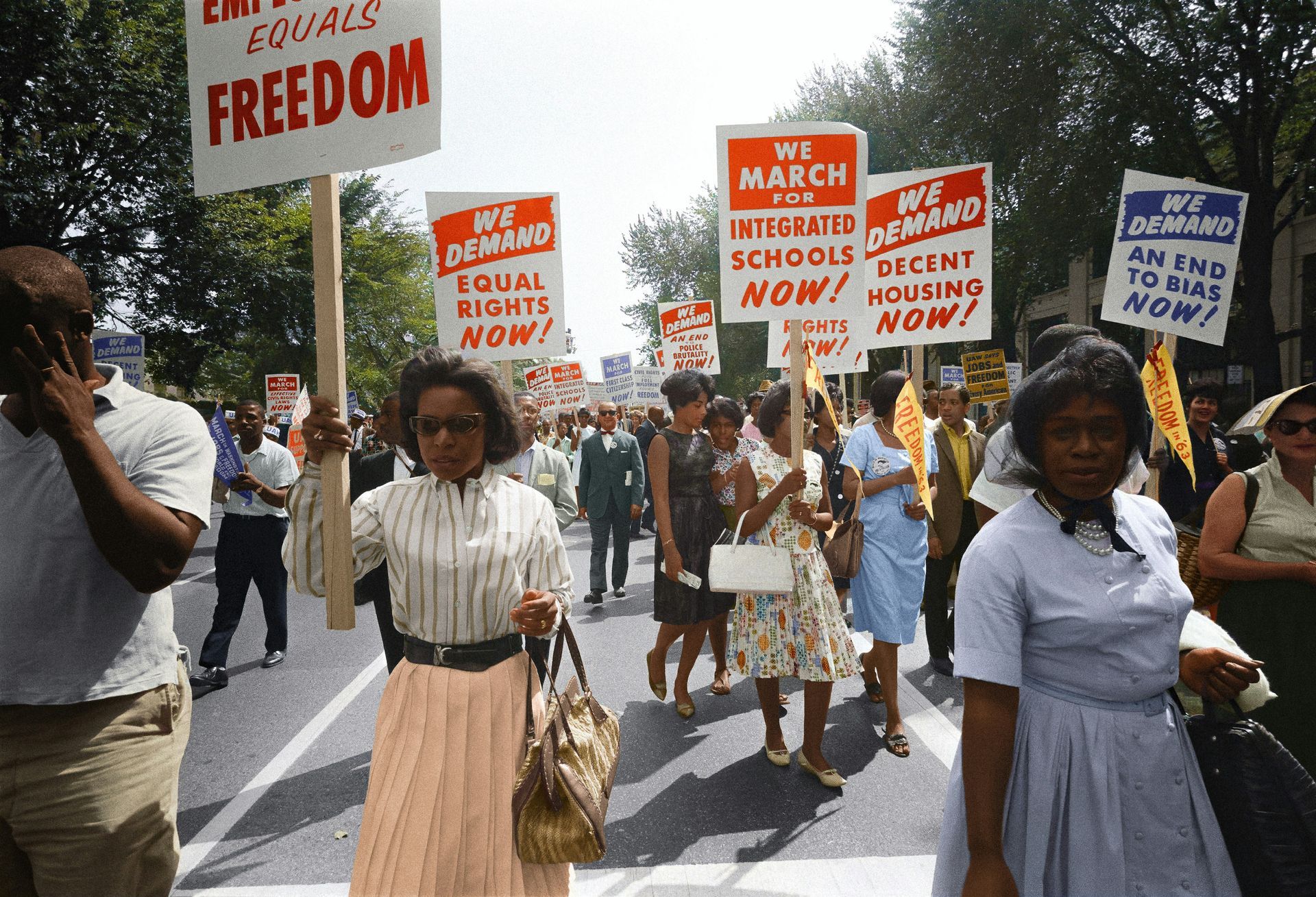
Still, people who come of age during the same period often share a cultural backdrop. Wars, recessions, political movements, new technologies, music, family expectations, and social norms leave an imprint. They influence what we see as normal, what we fear, what we value, and what we expect from other people.
Dr. Megan Gerhardt calls the ability to understand and learn from these differences Gentelligence®. Her work encourages us to move beyond stereotypes and become curious about the experiences that shaped people from other generations.
That distinction matters. Saying “young people do not want to work” closes a conversation. Asking how technology, the pandemic, economic uncertainty, student debt, and changing expectations have shaped younger workers opens one. Saying “Boomers refuse to change” is a stereotype. Asking why self-reliance, loyalty, and perseverance became so important to many Boomers gives us something meaningful to discuss.
What My Generation Learned About Independence
Many people in my generation learned to be fiercely independent. We were expected to figure things out, keep going, and avoid asking for too much help. That independence helped us build careers, raise families, recover from setbacks, and adapt to enormous social and technological change.
It is a strength. But strengths can become limitations when we rely on them in every situation.
As we grow older, independence is often treated as the ultimate goal. We hear people say, “I never want to depend on anyone.” I understand that feeling. No one wants to lose choice, dignity, or control over daily life. But complete independence has never really existed. At every age, we depend on families, friends, colleagues, neighbors, communities, and systems.
The better goal may be interdependence: knowing how to give support, receive support, and remain connected without surrendering our voice or agency. Learning to accept help is not failure. It may be one of the skills that allows us to remain engaged, safe, and connected as we age.
Your History Contains Clues
Thinking about generations led me to a more personal question: What did growing up in my particular time and place teach me? Some lessons are easy to recognize. Others operate quietly in the background. Maybe you learned that hard work should come before rest. Perhaps your family did not discuss money, emotions, health, or aging. Maybe you were expected to marry, have children, choose a practical career, or remain loyal to an employer. Perhaps you learned to take care of everyone else before taking care of yourself.
Some of those lessons may still serve you. Others may belong to an earlier chapter.
That is why I created My Life in Decades, a guided reflection and life design tool for adults 50 and older. It helps you walk through your life one decade at a time and notice what shaped you.
For each decade, you reflect on the people, places, relationships, challenges, successes, losses, and turning points that stand out. You consider what ended, what began, what you learned, and which strengths emerged. Then you step back and look for patterns across your life.
When did you feel most alive? What consistently drained you? Which values guided your best decisions? What dreams or interests keep returning? What have difficult seasons taught you about your ability to adapt?
The goal is not to document every detail or write your autobiography. The goal is to gather evidence from your own life.
Looking Back Can Help You Move Forward
Life review is sometimes misunderstood as nostalgia or dwelling on the past. Gerontologist Robert Butler described it as a natural process of looking back, integrating our experiences, and making meaning from them.
Done with intention, reflection can help us understand why we became who we are. It can reveal strengths we have forgotten and stories we no longer need to carry. Most importantly, it can give us information for designing what comes next.
Maybe you are preparing for retirement and wondering who you will be without your professional role. Maybe you are recovering from a health crisis, adjusting to an empty nest, caring for a parent, considering a move, rebuilding after loss, or simply realizing that the life you created no longer fits the person you are becoming.
Transitions rarely arrive with a complete set of instructions. There is often an uncomfortable period between what has ended and what has not yet fully begun. Modern Elder Academy calls attention to this messy middle as a place for curiosity and experimentation. You do not need to have the rest of your life figured out. You need enough self-knowledge to take the next intentional step.
What Do You Want to Carry Forward
Your generational identity is only one part of your story, but it can be a useful place to begin. Think about the decade in which you grew up. What did your family expect? What was happening in the wider culture? What did success look like? What subjects were never discussed? Which qualities helped you belong, survive, or succeed?
Then ask a second set of questions. Which lessons still support the life I want? Which beliefs need to be examined? What do I want more of, less of, or differently in my next chapter?
We cannot change the decade in which we were born or the experiences that shaped our early lives.
We can decide what we carry forward.
As Søren Kierkegaard observed, “Life can only be understood backwards; but it must be lived forwards.”
Your past is not your identity. It is your education.
Get Your Free My Life in Decades Guide
If you would like to explore the people, cultural influences, challenges, choices, and turning points that shaped you, I would love to share My Life in Decades with you. Send an email to liveboldnotold@outlook.com and mention "Decades".
I would also love to hear your answer: What did growing up in your generation teach you?
Learn more about Dr. Megan Gerhardt and Gentelligence® at gentelligence.org